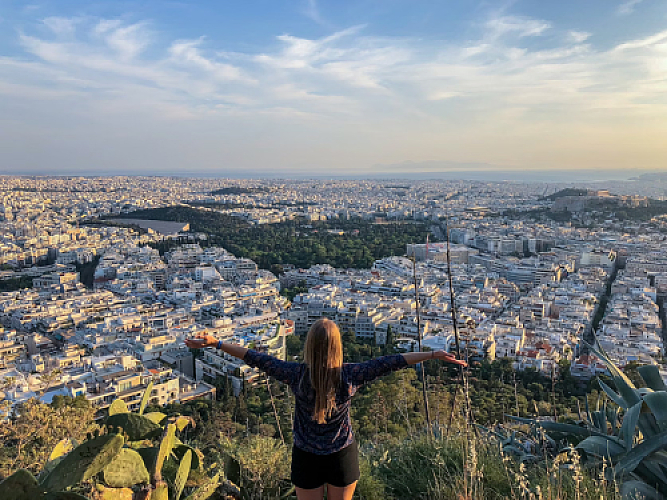
The Mediterranean showdown that revealed which island paradise actually delivers
The Mediterranean coast promises crystal-clear waters, ancient history, and that perfect blend of relaxation and adventure that every beach lover craves. But with countless islands scattered across Greece and Croatia, the choice becomes overwhelming. Everyone has an opinion, but most advice comes from people who’ve spent a long weekend in Santorini or saw Dubrovnik on Game of Thrones.
I wanted the real comparison. So last summer, I spent three weeks island-hopping through Greece, followed immediately by three weeks exploring Croatia’s Dalmatian coast. Same budget, same travel style, same mission: figure out which Mediterranean paradise actually lives up to its reputation.
What I discovered changed everything I thought I knew about European island life—and revealed why one of these destinations left me planning my return trip before I even got home.
The Island-Hopping Setup
Rather than focusing on the Instagram-famous spots, I designed routes that included both must-see destinations and local favorites, mixing popular islands with hidden gems to get a complete picture of each region.
Greek Islands Route (3 weeks): Santorini (4 days) → Naxos (5 days) → Paros (4 days) → Mykonos (3 days) → Crete/Chania (5 days)
Croatian Coast Route (3 weeks): Dubrovnik (4 days) → Korčula (4 days) → Hvar (5 days) → Split + nearby islands (5 days) → Zadar/Pag Island (3 days)
Budget parameters: €100/day for accommodations, food, transportation, and activities. No luxury resorts, no backpacker hostels—comfortable mid-range travel that most people can actually afford.
Greece: Beauty That Comes with Complications
Santorini: Instagram vs Reality
Let me get this out of the way: Santorini is genuinely stunning. The photos don’t lie about the sunsets, the white-washed buildings, or the dramatic cliff-side views. But living there for four days taught me why beauty doesn’t always equal great travel experience.
The crowds are genuinely overwhelming. Between cruise ship passengers and day-trippers, the caldera viewpoints become human traffic jams. I watched a couple spend 45 minutes trying to get one photo without strangers in the background. The famous sunset at Oia requires arriving 90 minutes early to secure a viewing spot.
Cost reality check:
Average dinner: €35-50 per person
Basic hotel room: €180-250/night in season
Ferry tickets: €35-65 between islands
Activities: €25-40 for standard tours
What works: The volcanic beaches are unique and less crowded than the caldera. Red Beach and Kamari offer swimming and relaxation without the Instagram chaos.
What doesn’t: Everything feels designed for tourists who are there for 48 hours and don’t mind paying premium prices for the privilege.
Naxos: The Greek Island That Actually Works
Naxos restored my faith in Greek island travel. This is where I understood why people fall in love with the Aegean—not just for the scenery, but for the way of life.
The village life discovery: Staying in Apiranthos, a mountain village 30 minutes from the main port, gave me access to traditional Greek island culture that tourism hasn’t completely transformed. Morning coffee with villagers who’ve lived there for generations, evening walks through marble-paved streets, and conversations about island life that spanned decades.
Cost comparison to Santorini:
Average dinner: €18-25 per person
Mid-range accommodation: €65-85/night
Local bus transportation: €2-4 per journey
Beach access: Free (amazing beaches with no entrance fees)
The food revelation: Naxos produces its own cheese, wine, and olive oil. The island’s agricultural tradition means restaurants serve ingredients grown within walking distance. I had a farm-to-table dinner for €22 that would cost €80+ on Santorini.
What surprised me most: The beaches rival anything on more famous islands. Plaka Beach stretches for miles with fine sand and clear water, completely undeveloped except for a few family-run tavernas.
Mykonos: Party Island Reality Check
Three days in Mykonos taught me that party destinations and solo female travel don’t always mix well, especially if you’re not into the club scene.
The scene: Mykonos attracts a specific crowd—young, wealthy, party-focused travelers who treat the island as an outdoor nightclub. If that’s your vibe, it’s perfect. If it’s not, you’ll feel out of place quickly.
The cost shock: A simple gyros that costs €4 in Athens costs €12 in Mykonos Town. A beach club day bed runs €50-100 minimum. Even basic accommodations cost double what you’d pay on other islands.
What works: The beaches are genuinely beautiful, and the party atmosphere creates energy that some travelers love.
What doesn’t: Limited appeal beyond the party scene, prices that make other Greek islands look cheap, and an overall feeling that locals view tourists as temporary wallets rather than welcomed guests.
Croatia: The Efficiency That Spoils You
Dubrovnik: Game of Thrones Tourism
Dubrovnik’s old town is a UNESCO World Heritage masterpiece, but living there revealed the challenges of a city that’s become too successful for its own good.
The tourism impact: Between cruise ships and Game of Thrones tours, the old town feels like a theme park during peak hours. Early morning and late evening offer glimpses of the historic city’s authentic charm, but midday belongs to tour groups.
Cost breakdown:
Accommodation: €85-120/night (old town premium)
Food: €25-35 per person for dinner
Activities: €20-40 for standard tours
Transportation: €15-25 for local buses and cable car
What works: The city walls walk at sunset is genuinely magical. The nearby islands (Lokrum) provide escape from cruise ship crowds.
What doesn’t: Overtourism has inflated prices and created a “tourist vs. local” dynamic that feels uncomfortable.
Korčula: Croatia’s Best-Kept Secret
Korčula might be Croatia’s most underrated island. This is where I fell in love with Dalmatian culture and understood why Croatians are so proud of their coast.
The old town magic: Korčula Town feels like a miniature Dubrovnik with actual residents. I could walk the medieval streets in the evening and encounter locals socializing, children playing, and grandparents chatting on doorsteps. It’s a living medieval city, not a museum.
Wine culture discovery: Korčula produces Grk and Pošip wines that rival anything in Europe but cost a fraction of Italian or French equivalents. I spent an afternoon at a family winery learning about indigenous grape varieties that exist nowhere else in the world.
Cost comparison to Dubrovnik:
Accommodation: €45-70/night
Dinner with local wine: €18-28 per person
Wine tasting tours: €15-25
Beach access: Free with incredible swimming
The transportation advantage: Croatia’s catamaran system connects islands efficiently and affordably. The journey between Korčula and Split costs €25 and takes 2.5 hours through stunning coastal scenery.
Hvar: Lavender Fields and Luxury Balance
Hvar strikes the perfect balance between natural beauty and sophisticated amenities. This is where I understood why Croatia has become the Mediterranean’s most talked-about destination.
The lavender season timing: Visiting during lavender season (June-July) transforms the island into a purple wonderland that smells incredible and photographs even better. The lavender fields are real, accessible, and free to explore.
The town vs. countryside balance: Hvar Town offers restaurants, nightlife, and cultural sites, while the island’s interior provides hiking trails, lavender farms, and traditional villages. You can have a sophisticated dinner and a mountain hike on the same day.
What exceeded expectations: The swimming. Hvar’s beaches combine clear water, interesting geology, and good accessibility. Zlatni Rat on nearby Brač Island (20-minute ferry) is legitimately one of Europe’s most beautiful beaches.
The Direct Comparison: What Actually Matters
Cost Analysis (3 weeks each)
Greece Total: €2,247 ($2,373)
Accommodation: €1,365
Food: €567
Transportation: €189
Activities: €126
Croatia Total: €1,698 ($1,793)
Accommodation: €945
Food: €441
Transportation: €168
Activities: €144
Winner: Croatia by €549 (23% less expensive)
Transportation and Logistics
Greek Islands:
Ferry schedules change frequently and aren’t always reliable
Connections between smaller islands often require routing through major hubs
Weather delays are common and can disrupt tight schedules
Booking advance tickets is difficult but recommended
Croatian Coast:
Catamaran schedules are consistent and punctual
Direct connections between most destinations
Weather rarely affects transportation
Easy online booking and flexible tickets
Winner: Croatia for ease and reliability
Cultural Authenticity
Greece:
Tourism has transformed popular islands significantly
Authentic experiences require effort to find
Traditional culture still exists but often feels preserved rather than lived
Language barrier can limit deeper cultural connections
Croatia:
Tourism infrastructure is newer and less overwhelming
Local culture feels more integrated with tourism
Easier communication (many Croatians speak excellent English)
Traditional practices still part of daily life, not tourist attractions
Winner: Croatia for accessible authenticity
Natural Beauty and Swimming
Greek Islands:
Volcanic geology creates dramatic landscapes and unique beaches
Water clarity is exceptional throughout the Aegean
Beach variety from black volcanic sand to pristine white sand
Some of the world’s most photographed sunsets
Croatian Coast:
Limestone geology creates incredibly clear water and interesting formations
Beaches range from pebbles to sand with excellent swimming
Numerous secluded coves accessible by boat or hiking
Adriatic Sea temperature is slightly warmer than Aegean
Winner: Tie—both offer world-class natural beauty
Food and Wine Culture
Greece:
Traditional dishes vary significantly between islands
Local ingredients and family recipes create unique regional specialties
Wine culture is ancient but not always tourist-accessible
Tavernas range from tourist traps to family gems
Croatia:
Dalmatian cuisine blends Mediterranean and Central European influences
Incredible seafood and local wine culture
Restaurants more consistently good across price ranges
Local wine varieties (Plavac Mali, Grk) offer unique tasting experiences
Winner: Croatia for consistency and value
The Unexpected Insights
What Nobody Tells You About Greek Islands
The ferry gambling: Greek ferry schedules are suggestions, not commitments. I missed two connections due to weather delays and learned that flexibility isn’t just helpful—it’s essential.
The shoulder season secret: May and October offer 60% of the beauty at 40% of the cost. Swimming is still possible, crowds are manageable, and island life feels more authentic.
The local transportation reality: Many islands have minimal bus service. Renting a scooter or ATV becomes necessary for exploration, adding cost and requiring confidence with Greek traffic patterns.
What Nobody Tells You About Croatian Coast
The nude beach culture: Croatian beaches often have naturist sections or entire nude beaches. This isn’t tourist information—it’s local beach culture that’s worth understanding before arrival.
The language advantage: Croatian sounds intimidating but uses familiar Latin alphabet. Basic phrases are easier to learn than Greek, and most young Croatians speak excellent English.
The continental connection: Croatia’s islands feel connected to Central European culture in ways that Greek islands don’t. This creates a unique cultural blend that’s distinctly Croatian.
The Final Verdict: Which Paradise to Choose
After six weeks of Mediterranean island life, here’s my honest recommendation:
Choose Greek Islands if:
You want the classic Mediterranean experience with ancient history
Dramatic volcanic landscapes and unique geology appeal to you
You’re comfortable with tourism-oriented infrastructure and pricing
Traditional Greek culture and Orthodox influences interest you
You have flexible travel dates and don’t mind transportation uncertainty
Choose Croatian Coast if:
You want excellent value for money with high-quality experiences
Efficient transportation and reliable logistics matter to you
Swimming and water activities are primary motivations
You prefer destinations that feel less touristy and more accessible
You enjoy wine culture and want to discover new varieties
The Surprising Personal Winner
Croatia won my heart, but not for the reasons I expected. The combination of stunning natural beauty, affordable excellence, and genuinely welcoming culture created experiences that felt both sophisticated and authentic.
The moment that decided it: Sitting in a family-run konoba on Korčula, sharing dinner and local wine with the owner while her grandmother told stories about island life during Yugoslavia. The meal cost €18, the conversation was priceless, and the experience felt genuinely Croatian rather than designed for tourists.
For most travelers: Croatia offers better value, easier logistics, and more authentic cultural experiences. Greece provides more dramatic beauty and deeper historical connections.
The ideal solution: Do both, but start with Croatia to understand what Mediterranean island life can be, then experience Greece to see how history and geography create different but equally compelling destinations.
Both regions will change how you think about Mediterranean travel. Croatia will make you a more confident traveler. Greece will make you a more contemplative one. Choose based on which transformation appeals to you more.
Curious about the specific islands and routes that worked best? I’ve mapped out detailed 2-week itineraries for both regions that maximize the highlights while avoiding the tourist traps and transportation headaches.






Leave a Comment
Your email address will not be published. Required fields are marked *