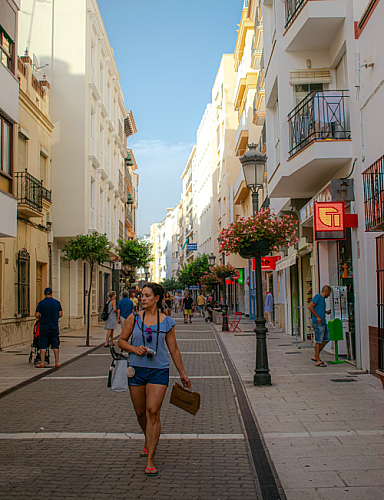
The hidden gems where your money goes further and the crowds disappear
I’ll be honest—I’m tired of seeing the same five cities on every “budget Europe” list. Prague, Budapest, Krakow, Warsaw, and if the writer’s feeling adventurous, maybe Ljubljana. Don’t get me wrong, these cities are beautiful and budget-friendly, but they’re also crawling with tourists who read the exact same articles you did.
Last summer, I decided to test a theory: are there European cities that offer the same value and beauty as the usual suspects, but without feeling like you’re following a predetermined Instagram route? I spent two months hopscotching across Europe with a strict $100/day budget, actively avoiding the cities that top every “cheap Europe” list.
What I found were five cities that not only met my budget but completely changed my perspective on European travel. Cities where I could afford wine with dinner, where locals actually lived alongside tourists, and where I discovered that sometimes the best travel experiences come from going where fewer people are looking.
Here’s what I learned, complete with real spending breakdowns and the honest truth about what $100/day actually gets you in each place.
The $100/Day Challenge Parameters
Before we dive in, let me explain my budget methodology. $100/day needed to cover:
Accommodation (private room or quality hostel bed)
All meals and drinks
Local transportation
One significant activity or attraction per day
Miscellaneous expenses (souvenirs, emergency coffee, etc.)
I specifically excluded flights between cities since those vary dramatically based on when and where you’re flying from. This is about what it costs to actually experience each city once you’re there.
I also set some quality standards. This isn’t about surviving on €2 kebabs and sleeping in 12-bed dorm rooms that smell like feet. This is about genuinely enjoying your time while being budget-conscious.
1. Porto, Portugal: The Wine Country Secret
Daily Average: $87
Porto might be Portugal’s second city, but it’s first in my heart—and my wallet. This is where I learned that you don’t need to choose between budget travel and good wine.
The Numbers:
Accommodation: $35/day (private room in Ribeira district)
Food: $28/day (including one nice dinner)
Transportation: $8/day (trams and walking)
Activities: $12/day (port cellars, museums, river cruise)
Miscellaneous: $4/day
The revelation here is the wine. Port wine cellars offer tastings for €5-15 that would cost $50+ in any other European city. I spent an entire afternoon in Vila Nova de Gaia, tasting my way through centuries of winemaking history, for less than what a single glass costs in Paris.
The food scene operates on two levels perfectly suited for budget travelers. Francesinha (the local sandwich that’s basically a heart attack on a plate) costs €8-12 at traditional spots and will fuel you for an entire day. When you want to splurge, dinner at a proper tasca with wine runs €25-35 for an experience that would cost €80+ in Barcelona.
What surprised me most: The lack of tourists. Even in July, I rarely heard English on the street outside the immediate riverfront area. This is a functioning Portuguese city that happens to be beautiful, not a theme park for tourists.
The catch: Porto weather is unpredictable. Pack layers and accept that you might spend a rainy afternoon in a bookstore instead of sightseeing. Honestly? Some of my best Porto memories happened on those unexpected indoor days.
2. Plovdiv, Bulgaria: Europe’s Best-Kept Cultural Secret
Daily Average: $73
Walking through Plovdiv’s Old Town feels like discovering a movie set that someone forgot to put away. Roman ruins, Ottoman architecture, and Bulgarian Revival houses exist within three blocks of each other, and somehow it all works perfectly together.
The Numbers:
Accommodation: $22/day (boutique guesthouse in Old Town)
Food: $18/day (mix of traditional and modern restaurants)
Transportation: $3/day (everything walkable, occasional taxi)
Activities: $15/day (museums, Roman theater, art galleries)
Miscellaneous: $15/day (this includes a lot of excellent Bulgarian wine)
Plovdiv was European Capital of Culture in 2019, and the infrastructure improvements are still paying dividends. The city invested heavily in making cultural sites accessible and informative without losing their authenticity. The Regional Archaeological Museum alone would justify the trip.
But here’s what makes Plovdiv special for budget travelers: the locals are genuinely excited to share their city with visitors. Not in a tourism-dependent way, but in a “we know we have something special and we’re proud of it” way. I was invited to three family dinners by people I met casually, something that hasn’t happened to me anywhere else in Europe.
The wine situation deserves special mention. Bulgaria produces world-class wine that costs €8-15 per bottle in restaurants. I had a wine and food pairing dinner at one of the city’s best restaurants for €35 total. The same experience in Tuscany would cost €150+.
What surprised me most: The arts scene. Plovdiv has a thriving contemporary arts community that exists alongside its historical attractions. The Kapana Creative District feels like what Prague’s arts quarter was probably like 20 years ago.
The catch: Limited international flight connections mean you’ll likely need to connect through Sofia or another European hub. But once you’re there, everything is walkable and efficient.
3. Brno, Czech Republic: Prague’s Cooler Younger Sibling
Daily Average: $89
Everyone goes to Prague. I went to Brno, and I’m convinced I got the better deal—literally and figuratively.
The Numbers:
Accommodation: $32/day (modern apartment near city center)
Food: $24/day (including excellent beer, obviously)
Transportation: $5/day (trams and walking)
Activities: $18/day (castles, museums, beer tours)
Miscellaneous: $10/day
Brno has everything that makes Prague appealing—stunning architecture, incredible beer culture, rich history—without the crowds and inflated prices. Spilberk Castle rivals Prague Castle for views and historical significance but costs half the entrance fee and requires zero waiting in line.
The beer culture here is even more authentic than Prague’s. While Prague’s beer halls cater increasingly to tourists, Brno’s pubs serve locals who’ve been coming for decades. I spent an evening at Pegas Brewery learning about Czech beer traditions from a brewer whose family has been making beer for four generations. The conversation (and the beer) was extraordinary.
What surprised me most: The student energy. Brno has a massive university population that creates a vibrant nightlife and cultural scene without feeling young or immature. It’s intellectual energy that makes the city feel alive and forward-thinking.
The food scene extends beyond traditional Czech cuisine in ways that Prague’s tourist-focused restaurants often don’t. I had excellent Vietnamese, Italian, and modern Czech fusion meals, all for prices that would get you a mediocre sandwich in Prague’s tourist quarter.
The catch: Fewer direct international flights mean you’ll likely route through Prague anyway. But that’s actually perfect—spend a day or two comparing the cities directly, then enjoy Brno’s superior value for the rest of your trip.
4. Leuven, Belgium: Medieval Charm Without the Tour Groups
Daily Average: $95
Leuven proves that you don’t need to sacrifice beauty or culture for budget-friendly European travel. This university town 20 minutes from Brussels offers medieval architecture, world-class beer, and intellectual atmosphere at prices that make sense.
The Numbers:
Accommodation: $45/day (boutique hotel near Grote Markt)
Food: $32/day (including Belgian specialties)
Transportation: $6/day (bikes and walking)
Activities: $8/day (museums, brewery tours, architecture)
Miscellaneous: $4/day
The Gothic Town Hall and University buildings rival anything in Bruges or Ghent for architectural significance, but you can actually get close enough to appreciate the details without fighting through tour groups. The University of Leuven, founded in 1425, creates an atmosphere where intellectual curiosity feels normal and encouraged.
Belgium’s beer culture reaches its peak in Leuven. The city has more breweries per capita than anywhere else in Belgium, and that’s saying something. Stella Artois was founded here, but the real treasures are the local abbey and artisanal breweries that exist nowhere else.
What surprised me most: The food quality at budget prices. I had a three-course dinner with wine pairings at a restaurant near the university for €45. Similar quality in Brussels would cost €80+, and in Paris, easily €120+.
The cycling infrastructure makes transportation both cheap and enjoyable. Rent a bike for €10/day and you can reach everything worth seeing, plus explore the beautiful countryside that surrounds the city.
The catch: Limited nightlife compared to major cities. If you’re looking for clubs and late-night party scenes, you’ll need to train into Brussels. But for cultural experiences and authentic Belgian atmosphere, Leuven delivers completely.
5. Gdansk, Poland: Baltic Beauty on a Budget
Daily Average: $81
Gdansk destroyed every assumption I had about Polish cities. This isn’t the gray, post-Soviet stereotype. This is a colorful, maritime city that feels like Amsterdam’s more affordable cousin with better pierogi.
The Numbers:
Accommodation: $28/day (beautifully restored guesthouse in Main Town)
Food: $20/day (traditional Polish plus modern international)
Transportation: $7/day (trams, buses, and walking)
Activities: $16/day (museums, Malbork Castle day trip, amber workshops)
Miscellaneous: $10/day
The Main Town (Główne Miasto) is a UNESCO World Heritage site that rivals Prague’s old town for beauty but feels more lived-in and authentic. The colorful merchant houses along Długa Street house functioning shops, restaurants, and apartments, not just tourist attractions.
The Baltic Sea location gives Gdansk a maritime character unique among European budget destinations. The beaches at Sopot (30 minutes by train) offer a seaside experience that costs a fraction of what you’d pay on the Mediterranean.
What surprised me most: The food innovation. While traditional Polish cuisine is hearty and satisfying, Gdansk’s restaurant scene includes creative modern interpretations that feel fresh and exciting. I had a 7-course tasting menu highlighting regional ingredients for €55—what would be a €200+ experience in Copenhagen.
The history here is profound and well-presented. The Museum of the Second World War and the European Solidarity Centre offer world-class historical education that puts many Western European museums to shame.
The catch: Weather can be unpredictable, especially in shoulder season. But the lower prices during off-peak times (30-40% less than summer) make it worth planning around.
The Bigger Picture: Why These Cities Work
Each of these destinations succeeds for budget travelers because they offer something the traditional budget Europe circuit can’t: authenticity at accessible prices.
Common advantages:
Functioning local economies that don’t depend entirely on tourism
University populations that create vibrant cultural scenes
Regional pride that motivates locals to share their cities
Infrastructure investment that benefits travelers without inflating prices
Culinary traditions that exist for locals, not tourists
What they prove: European travel doesn’t require choosing between budget and quality. It requires choosing between following everyone else’s itinerary and creating your own.
Planning Your Alternative Europe Trip
Best combination for 2 weeks: Porto → Plovdiv → Gdansk
Covers Western, Southern, and Northern Europe
Natural progression from most to least touristy
Each city offers distinct cultural and historical perspectives
Total transportation between cities: approximately €150 with budget airlines
Best single-city choice:
First time in Europe: Porto (easiest logistics, familiar amenities)
History focused: Plovdiv (most diverse historical periods)
Culture and arts: Brno (university energy, creative scene)
Food and drink: Leuven (best culinary quality for price)
Adventure seeking: Gdansk (most unique among European capitals)
Budget planning reality check: These numbers are based on comfortable budget travel, not backpacker survival mode. You could do each city for 30-40% less with hostel dorms and street food, or spend 50% more for luxury experiences that still cost less than basic accommodations in Amsterdam or Stockholm.
The real savings: It’s not just about spending less money. It’s about getting more value, having more authentic experiences, and coming home with stories that aren’t identical to everyone else’s gap year photos.
Europe has dozens of incredible cities beyond the Instagram favorites. These five proved that sometimes the best travel experiences come from zigging when everyone else zags.




Leave a Comment
Your email address will not be published. Required fields are marked *