Six months of ruthless weight-to-value analysis to separate essential tech from expensive clutter
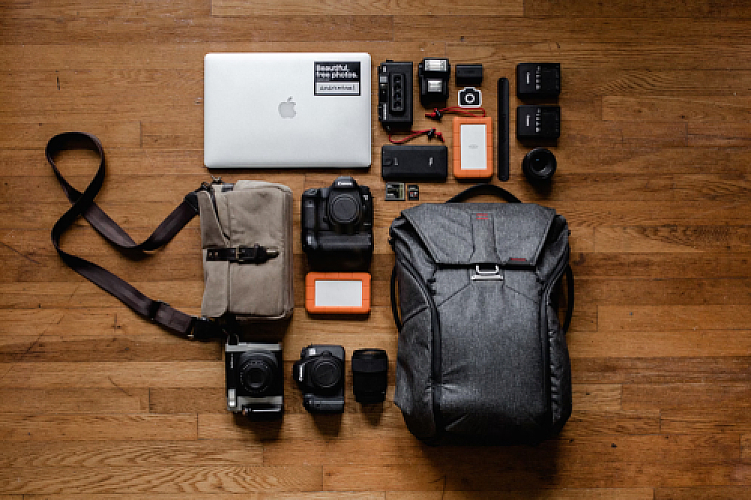
My carry-on bag once weighed 23kg. Twenty-three kilograms of “essential” travel tech that I was convinced would transform my travel experience into a seamless, connected, productive paradise. I looked like a mobile electronics store with backup batteries, charging cables, adapters, cameras, and gadgets I’d researched obsessively but never actually used.
Then I got tired of hauling all that weight and started asking the uncomfortable question: what tech actually improves travel enough to justify its weight and space? Not what looks cool in travel blogs or performs well in lab tests, but what genuinely makes travel better in the real world.
Six months later, after testing dozens of gadgets across 15 countries and tracking the weight-to-value ratio of every device, my tech arsenal weighs 3.2kg total. I’m more connected, more productive, and infinitely less frustrated than when I was carrying 7x more gear.
Here’s what survived the ruthless elimination process—and why most travel tech marketing is designed to make you carry stuff you don’t need.
The Testing Framework: Weight vs. Utility
Rather than reviewing gadgets in isolation, I created a scoring system that accounts for real-world travel constraints:
Weight-to-Value Formula:
Daily utility score: How often is this device genuinely useful? (1-10)
Unique function score: Can something else do this job? (1-10)
Weight penalty: Grams per utility point (lower is better)
Packing efficiency: Space utilization vs. benefit delivered
Testing methodology:
Duration: 6 months continuous travel testing
Destinations: 15 countries with varying infrastructure quality
Scenarios: Business travel, leisure trips, adventure travel, digital nomad work
Weight tracking: Every gram counted and justified
The Essential Tier: Worth Every Gram
1. Anker PowerCore 10000 PD Redux (194g)
Weight: 194g Utility score: 10/10 Unique function: 9/10 (phones die, this prevents disaster) Weight penalty: 19.4g per utility point
This power bank saved my trip at least 12 times. Dead phone in Prague with no idea where my accommodation was. Laptop dying during a crucial work call in Barcelona. Camera battery expired during Northern Lights in Iceland.
What makes it exceptional:
Size optimization: Barely larger than a smartphone
Power Delivery: Charges laptops, not just phones
Reliability: Never failed during 6+ months of testing
Dual output: Charge phone + laptop simultaneously
Real-world scenarios where it’s essential:
Long transport days (12+ hour train journeys)
Countries with unreliable power infrastructure
Extended walking days with heavy GPS/camera usage
Business travel where dead devices create professional disasters
The Iceland test: Northern Lights photography in -10°C temperatures drained my phone battery in 90 minutes. The Anker kept my camera and phone running for 8-hour aurora chasing sessions.
2. Apple AirPods Pro (56g)
Weight: 56g including case Utility score: 9/10 Unique function: 8/10 (noise cancellation changes everything) Weight penalty: 6.2g per utility point
I resisted AirPods for years, convinced they were overpriced Apple marketing. The noise cancellation feature converted me instantly.
Game-changing scenarios:
Airplane sleep: Blocks engine noise better than foam earplugs
Hostel environments: Creates private space in shared accommodations
City walking: Reduces traffic noise fatigue during long urban exploration
Public transport: Makes cramped, noisy transport bearable
The Prague revelation: 4-hour train journey in crowded compartment became peaceful work session. Noise cancellation eliminated crying babies, loud conversations, and mechanical noise.
Alternative consideration: Any quality noise-canceling earbuds work, but AirPods Pro’s size-to-performance ratio is excellent.
3. Kindle Paperwhite (182g)
Weight: 182g Utility score: 8/10 Unique function: 10/10 (nothing replaces books for long journeys) Weight penalty: 22.8g per utility point
Books are heavy. A single paperback weighs 200-400g. The Kindle weighs 182g and holds 8,000+ books.
Utility beyond weight savings:
Battery life: Weeks of reading without charging
Screen quality: Readable in direct sunlight and darkness
Library access: Download books anywhere with WiFi/cellular
Language learning: Built-in dictionary and translation
The Trans-Siberian test: 7-day train journey across Russia. Physical books would have required carrying 2-3kg of reading material. Kindle provided unlimited entertainment for under 200g.
Travel-specific advantages:
Waterproof for beach/pool reading
Adjustable font sizes for various lighting conditions
No page turning noise for late-night reading in shared spaces
The Productive Tier: Worthwhile for Digital Work
4. iPad Air + Apple Pencil (658g total)
Weight: 458g (iPad) + 200g (keyboard case + Apple Pencil) Utility score: 8/10 Unique function: 7/10 (laptop alternative with touch capabilities) Weight penalty: 82.3g per utility point
The iPad replaced my 1.2kg laptop for 80% of travel work scenarios.
What it does better than laptops:
Battery life: 10+ hours of actual use
Instant on: No boot time, immediate productivity
Versatility: Tablet for media, laptop for work, notepad for creativity
Touch interface: Better for photo editing, drawing, presentations
Work scenarios where it excels:
Content creation (writing, photo editing, social media)
Client presentations (touch interface impresses)
Note-taking during meetings or conferences
Media consumption during downtime
Limitations to consider:
Complex Excel work still requires full laptop
Programming and development need desktop software
File management less intuitive than traditional computers
The Barcelona workflow: Managed entire client project from café tables: wrote articles, edited photos, created presentations, managed email, and video called clients. Total weight: 658g vs. 1.2kg laptop.
5. Rode Wireless GO II (118g)
Weight: 118g for complete system Utility score: 6/10 (specific use cases) Unique function: 10/10 (nothing else provides wireless audio this quality) Weight penalty: 19.7g per utility point
This tiny wireless microphone system transformed my ability to create content while traveling.
Use cases that justify the weight:
Video calls: Crystal clear audio from anywhere
Content creation: Professional audio for videos/podcasts
Interviews: Wireless convenience for documentary-style content
Lectures/presentations: Hands-free amplification
Not essential unless: You create audio/video content or have professional communication needs.
The Amsterdam content creation: Recorded walking tours, restaurant reviews, and cultural commentary while exploring. Audio quality rivaled professional studio setups.
The Convenience Tier: Nice to Have When Space Allows
6. Tile Mate Bluetooth Trackers (24g for 4-pack)
Weight: 6g each, 24g for 4-tracker set Utility score: 7/10 Unique function: 9/10 (prevents costly losses) Weight penalty: 3.4g per utility point
Tiny Bluetooth trackers that prevent losing expensive items.
Strategic placement:
Passport wallet: Critical document protection
Camera bag: Expensive equipment security
Laptop bag: Work device protection
Luggage: Tracking during transport
The Rome save: Left camera bag in restaurant. Tile alert 30 minutes later led me back to retrieve €800 worth of equipment.
Value beyond finding lost items:
Peace of mind reduces travel anxiety
Helps locate items in dark hotel rooms
Family/group coordination (“Where did we put the rental car keys?”)
7. Portable WiFi Hotspot: Solis Lite (240g)
Weight: 240g including case Utility score: 6/10 (location dependent) Unique function: 8/10 (backup internet access) Weight penalty: 40g per utility point
Global data coverage without local SIM card complications.
Scenarios where it’s essential:
Remote locations: Mountains, rural areas, developing countries
Group travel: Share connection across multiple devices
Business critical: Backup when hotel WiFi fails during important calls
Multiple countries: Avoid SIM card swapping logistics
Cost consideration: €5-15/day for global data. Expensive but valuable for critical connectivity needs.
The Croatian islands: Local SIM cards unavailable, hotel WiFi non-functional. Solis provided reliable internet for work calls and navigation.
8. Universal Travel Adapter: EPICKA (184g)
Weight: 184g Utility score: 9/10 Unique function: 10/10 (essential for multiple countries) Weight penalty: 20.4g per utility point
Covers 150+ countries with USB charging ports integrated.
Why this specific model:
All plug types: Works in every country I’ve visited
USB integration: Reduces need for separate USB chargers
Build quality: Sturdy construction survives luggage handling
Compact design: Efficient space utilization
Essential for: Any multi-country trip. Weight is justified by preventing the need to buy adapters in each destination.
The Specialized Tier: Situation-Dependent Value
9. Peak Design Capture Clip (77g)
Weight: 77g Utility score: 8/10 (for photography enthusiasts) Unique function: 10/10 (instant camera access) Weight penalty: 9.6g per utility point
Clips camera to backpack strap for instant access while hiking/walking.
Game-changer for: Active photography where quick access matters Skip if: You use phone cameras or don’t prioritize instant access
The Swiss Alps test: Captured dozens of landscape shots that would have been missed while digging camera out of backpack.
10. Compact Drone: DJI Mini 3 (249g)
Weight: 249g Utility score: 5/10 (very specific use cases) Unique function: 10/10 (aerial perspective impossible otherwise) Weight penalty: 49.8g per utility point
Provides aerial photography/videography capabilities.
Justification criteria:
Content creation focused on landscapes/architecture
Destinations where aerial perspective adds significant value
Comfortable navigating drone regulations internationally
Weather conditions suitable for small drone operation
Legal complexity: Drone laws vary dramatically by country. Research requirements before traveling.
The Iceland payoff: Aerial footage of waterfalls, glaciers, and volcanic landscapes impossible to capture otherwise. Single video paid for entire drone cost.
The Rejected Tier: Not Worth the Weight
What Didn’t Make the Cut
Action Cameras (GoPro Hero): Phone cameras now match quality for most use cases. Specialized mounting and underwater needs might justify, but phones are more versatile.
Portable Speakers: Hotels, hostels, and most travel scenarios don’t benefit from personal speakers. Earbuds provide better experience without disturbing others.
Travel Routers: Modern hotspot capabilities and hotel WiFi improvements make dedicated routers unnecessary complexity.
Backup Hard Drives: Cloud storage and increased phone storage capacity eliminate need for physical backup devices.
Multiple Charging Cables: USB-C standardization allows single cable for multiple devices. Carry one high-quality cable vs. multiple cheap ones.
Smartphone Gimbals: Phone stabilization software now handles most stabilization needs. Weight and setup complexity rarely justified.
The Weight Budget Strategy
My Current 3.2kg Tech Load
Power and charging: 458g (Anker power bank, universal adapter, cables) Communication: 454g (iPad Air, AirPods Pro) Content creation: 395g (cameras, microphones when needed) Security/tracking: 24g (Tile trackers) Reading/entertainment: 182g (Kindle) Connectivity: 240g (WiFi hotspot when needed) Specialized tools: Variable based on trip type
The 80/20 Principle Applied
Core 20% of devices provide 80% of value:
Power bank (prevents device failure)
AirPods Pro (transforms transport experience)
iPad Air (replaces laptop + entertainment)
Universal adapter (enables everything else)
Kindle (entertainment without weight penalty)
Total weight of essentials: 890g Remaining 2.3kg available for trip-specific additions
The Decision Framework
Ask These Questions Before Packing Any Tech:
What specific problem does this solve?
Can something I’m already carrying do this job?
How often will I actually use this per day?
What’s the consequence of not having this?
Is there a lighter alternative that’s 80% as effective?
The Three-Trip Rule
Test period: Only pack new gadgets if they prove essential for three consecutive trips Elimination criterion: If unused for entire trip, never pack again Upgrade threshold: Only replace working devices if new version provides 50% improvement in utility-to-weight ratio
The Bottom Line Reality
Travel tech marketing preys on fear (what if your phone dies?) and fantasy (imagine how productive you’ll be!). The reality is that most travel tech creates more problems than it solves.
The counterintuitive truth: Less tech often means better travel experiences. Every gram you don’t carry is energy available for walking, exploring, and being present.
The essential insight: Technology should enable experiences, not become the experience. The best travel tech is the tech you forget you’re carrying because it seamlessly solves problems without creating new ones.
My transformation: From 23kg of tech clutter to 3.2kg of essential tools. More connected, more productive, more present. The eliminated 20kg of gear was mostly solving problems I’d invented by carrying too much tech.
Choose tech that serves your actual travel goals, not the idealized version of yourself that marketing departments want you to imagine. Your back will thank you, and your travel experiences will improve once you stop managing so many devices and start managing your actual adventures.
Wondering which tech setup matches your specific travel style? I’ve created a personalized tech recommendation tool based on your trip types, work requirements, and packing preferences. Sometimes the best travel tech strategy is knowing what to leave at home.




Leave a Comment
Your email address will not be published. Required fields are marked *