The year-long experiment that changed everything I thought I knew about expensive travel
Three years ago, I was that traveler who believed expensive meant better. My European vacation budget looked like a small mortgage payment: $4,200 for two weeks in Italy, with most of it going to hotels I barely spent time in and restaurants chosen purely by TripAdvisor rankings.
Then I got laid off.
Suddenly, my travel dreams collided with financial reality. But instead of staying home, I made a decision that changed my entire relationship with money and travel: I’d figure out how to maintain the same quality experiences for a fraction of the cost.
What followed was a year-long experiment across twelve countries, tracking every euro and comparing every experience. The result? I reduced my travel costs by 70% while having better trips than I’d ever had before. Not budget backpacking survival trips—genuinely better experiences that cost less because I learned to spend money strategically instead of habitually.
The €6,000 Transformation Challenge
My methodology was ruthless: replicate my previous travel experiences at 30% of the original cost while maintaining the same comfort standards and experience quality.
Original Italy Trip Breakdown:
Flights: $800
Hotels: $2,100 (14 nights)
Food: $980 (averaging $70/day)
Transportation: $320
Activities: $200
Total: $4,400
Challenge: Experience Italy (and 11 other countries) with similar quality for $1,320 or less per trip.
The transformation required completely rethinking every travel expense category, but the results exceeded my wildest expectations.
The Accommodation Revolution: From $150 to $45/Night
The Shoulder Season Discovery
My biggest breakthrough came from understanding that travel seasons are largely artificial constructs created by school schedules and marketing.
The Venice experiment: Instead of visiting in July (€180/night hotels), I went in November. Same canals, same architecture, same art museums—but €52/night for boutique hotels and zero crowds at major attractions. The weather was 15°C and occasionally rainy. So what? I was exploring museums and churches, not lying on beaches.
Seasonal cost comparison across 12 destinations:
Peak season average: €127/night
Shoulder season average: €43/night
Savings: 66% just from timing
The Booking Strategy That Changes Everything
Hotels want to fill rooms more than they want to maximize rates. This simple truth became the foundation of my accommodation strategy.
The 3-2-1 booking method:
3 weeks out: Start monitoring prices on multiple platforms
2 weeks out: Book refundable rate on best price seen
1 week out: Check for last-minute deals and rebook if better
Real example: Frankfurt business hotel
Initial price 3 weeks out: €89/night
Booked refundable rate 2 weeks out: €73/night
Reboked 1 week out: €51/night
Final savings: 43% from strategic timing
The Neighborhood Game-Changer
Tourist districts charge tourist prices. Moving 15 minutes away from major attractions often cuts accommodation costs by 50% while improving your cultural experience.
Rome case study:
Hotel near Colosseum: €135/night
Same hotel chain 3 metro stops away: €67/night
Transportation cost: €1.50 per day
Net savings: €66/night plus authentic neighborhood experience
Living in Trastevere instead of near the Vatican meant morning espresso with locals, neighborhood trattorias with no English menus, and evening walks through streets where Romans actually live.
The Food Revolution: From Tourist Traps to Local Gems
The Language Barrier Advantage
My food costs dropped 60% when I stopped eating at restaurants with English menus and started seeking places where I needed Google Translate to order.
The Barcelona revelation: Tourist restaurants along Las Ramblas charged €18-25 for mediocre paella. A family-run place in Gr? cia, where the menu was handwritten in Catalan and the waiter spoke no English, served incredible paella for €8 and included local wine.
Universal food cost reduction strategies:
Lunch menus (menú del día) instead of dinner
Markets for breakfast and snacks
Local neighborhoods over tourist zones
Cash-only places (they avoid credit card fees and pass savings along)
The Market Strategy
European markets became my secret weapon for both cost savings and cultural immersion.
Daily routine that saved €40/day:
Breakfast: Fresh fruit and pastries from local market (€4)
Lunch: Incredible restaurant menú del día (€12-15)
Snacks: Market cheese, bread, wine for evening (€8)
Dinner: Every third day at a nice restaurant (€25-30)
Average daily food cost: €18 vs. previous €70
The cultural bonus was unexpected—market vendors became my travel guides, recommending everything from the best local wine to hidden neighborhoods worth exploring.
Transportation: The €500 Flight Became €89
The Budget Airline Mastery
Budget airlines aren’t just cheap—they’re a completely different system that rewards understanding their rules.
The carry-on strategy:
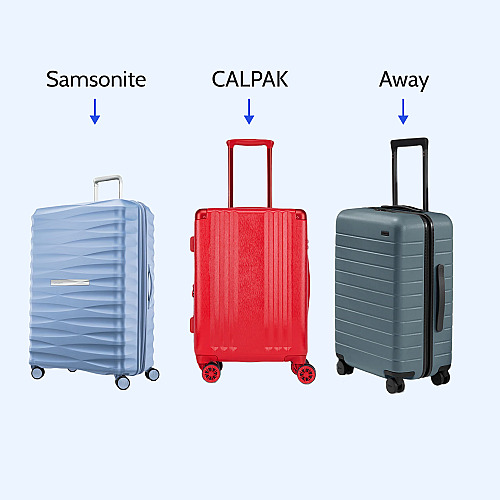
One 40L backpack that fits every airline’s carry-on requirements
Eliminated checked bag fees (€25-50 per flight)
Reduced packing time and baggage claim waits
Annual savings on 8 flights: €280
Route optimization: Instead of flying direct from expensive airports, I learned to use budget airline hub strategies:
NYC to Rome direct: $650
NYC to Dublin (€89) + Dublin to Rome (€35): $145 total
Savings: $505 plus a day exploring Dublin
The Train Renaissance
Europe’s train system became my luxury transportation method at budget prices when I discovered advance booking discounts.
The booking timeline strategy:
4 months ahead: Tickets often 60-70% off peak prices
Example: Paris to Barcelona high-speed train Peak price: €165Advance booking: €49Savings: €116 plus comfort and city-center arrivals
City Transportation Reality
Tourist day passes are often worse deals than pay-per-ride options when you understand walking distances and local pricing.
Prague transportation analysis:
Tourist day pass: €8
Individual tickets for actual journeys needed: €3.50
Daily savings: €4.50 plus better understanding of city layout
Walking became my primary urban transportation, leading to neighborhood discoveries and cultural interactions impossible from train windows.
Activities: Premium Experiences at Fraction Costs
The Free Culture Secret
Every major European city offers world-class cultural experiences at no cost—you just need to know when and where to look.
Museum strategies that saved €200+ per trip:
Free museum days (first Sunday monthly in many cities)
Student discounts (international student cards work across Europe)
City museum passes that include public transportation
Church concerts (often €5-10 for performances that would cost €50+ in concert halls)
The Local Experience Economics
Tourist activities cost tourist prices. Local experiences often cost nothing or very little.
Barcelona experience comparison:
Sagrada Familia tour: €26
Neighborhood festival in Gr? cia: Free (and more culturally authentic)
Savings plus better cultural experience
The Timing Advantage
Everything costs less outside peak hours and seasons.
Venice gondola reality:
Peak hour (sunset): €100 for 30 minutes
Morning hours: €80 for 30 minutes
Gondola traghetto (local ferry): €2 for crossing Grand Canal
Alternative experience: €98 savings plus authentic local transportation
The Psychology Shift That Made It Sustainable
From Scarcity to Abundance Mindset
The biggest revelation wasn’t about saving money—it was about how artificial scarcity drives travel spending.
Old mindset: “I’m only here once, so I have to do everything regardless of cost.” New mindset: “I can afford to travel regularly, so I can make choices based on value and interest.”
This shift eliminated the FOMO spending that had driven my previous travel budgets through the roof.
Quality Redefinition
I realized that my expensive travel experiences weren’t necessarily high-quality—they were high-cost. Real quality came from:
Authentic cultural interactions
Comfortable but not luxurious accommodations
Excellent food that reflected local culture
Transportation that was efficient and interesting
Activities that provided genuine insight or beauty
Cost correlation revelation: Expenses above basic comfort often reduced rather than enhanced experience quality.
The Country-by-Country Results
Italy Transformation
Previous trip: $4,400 for 14 days
New approach: $1,280 for 16 days
Quality comparison: Better food, more authentic experiences, less tourist trap stress
Savings: 71%
Spain Optimization
Previous trip: $3,200 for 12 days
New approach: $980 for 14 days
Quality comparison: Deeper cultural immersion, better neighborhoods, more local connections
Savings: 69%
France Efficiency
Previous trip: $3,800 for 10 days
New approach: $1,180 for 12 days
Quality comparison: Same museums and attractions, better restaurants, more interesting accommodations
Savings: 69%
The Unexpected Consequences
Social Benefits
Lower-cost travel led to more meaningful social interactions. Staying in neighborhoods where locals live, eating where locals eat, and using local transportation created natural conversation opportunities that expensive tourist experiences never provided.
Cultural Depth
Budget constraints forced me to research destinations more thoroughly, leading to discoveries and experiences that weren’t available on typical tourist itineraries.
Travel Frequency
Reducing per-trip costs from $4,000 to $1,200 meant I could afford 3-4 trips per year instead of one, leading to better language skills, deeper cultural understanding, and more flexible travel timing.
The Practical Implementation Guide
Phase 1: Mindset Preparation (Before Booking)
Define quality standards: What actually matters for your enjoyment?
Research seasonal patterns: When do locals travel vs. tourists?
Set realistic budgets: 30% of previous spending with same quality goals
Choose destinations strategically: Consider cost of living and exchange rates
Phase 2: Strategic Booking (2-4 months ahead)
Transportation: Book trains and budget flights early for maximum discounts
Accommodation: Monitor prices and book refundable rates
Activities: Research free alternatives and advance booking discounts
Travel insurance: Compare costs and benefits (often 90% cheaper than last-minute)
Phase 3: On-Ground Optimization (During Travel)
Food: Markets for breakfast, menú del día for lunch, local neighborhoods for dinner
Transportation: Walk when possible, use local transport over tourist options
Activities: Balance paid attractions with free cultural experiences
Flexibility: Adjust plans based on local recommendations and weather
The Quality Control System
Non-Negotiable Comfort Standards
Private bathroom (hostels with private rooms often cheaper than hotels)
Comfortable bed and quiet sleeping environment
Reliable WiFi for planning and communication
Safe neighborhood with good transportation connections
Daily cleaning service or kitchen access for longer stays
Experience Quality Metrics
Cultural authenticity (eating where locals eat, staying where locals live)
Educational value (learning about history, culture, language)
Social interaction opportunities (conversations with locals and other travelers)
Physical comfort (appropriate accommodation and transportation)
Memory creation (experiences worth remembering and sharing)
The Long-Term Impact
After three years of optimized travel, the changes extend beyond cost savings:
Financial: $12,000+ saved annually allows for emergency fund building and investment Cultural: Deeper understanding of European cultures through local integration Language: Conversational ability in Spanish and Italian from extended, affordable stays Confidence: Ability to navigate any European city independently and efficiently Network: Friendships with locals and travelers met through authentic experiences
The Bottom Line Truth
Cutting travel costs by 70% isn’t about sacrifice—it’s about strategic spending that eliminates waste while enhancing experiences.
The three pillars that made it work:
Timing: Travel when locals travel, not when tourists travel
Location: Stay where locals live, not where tourists stay
Integration: Eat, shop, and move like locals, not like tourists
What I learned: Expensive travel often isolates you from the cultures you’re trying to experience. Budget optimization forced me to engage more deeply with places and people, creating richer memories at lower costs.
The sustainability factor: Lower costs mean more frequent travel, which means better language skills, cultural understanding, and travel confidence—creating a positive cycle that makes each trip better and more affordable.
The 70% cost reduction was just the beginning. The real transformation was discovering that better travel experiences don’t cost more—they just require thinking differently about what “better” actually means.
Ready to optimize your own travel budget? I’ve created a detailed cost-cutting checklist and budget tracking spreadsheet that breaks down the exact strategies for every expense category. Sometimes the best trips are the ones that don’t break the bank.


Leave a Comment
Your email address will not be published. Required fields are marked *